Choosing the Right Color Palette for a Minimalist Bedroom

Chosen theme: Choosing the Right Color Palette for a Minimalist Bedroom. Step into a calmer, more intentional space where every hue serves a purpose. Together, we’ll simplify choices, embrace serenity, and curate a palette that helps you rest deeply. Share your color dilemmas in the comments and subscribe for weekly minimalist bedroom inspiration.

Minimalist Color Theory, Made Practical

Low-saturation neutrals—soft whites, warm greiges, gentle taupes—quiet visual noise and let your mind settle. Environmental psychology suggests subdued hues can reduce cognitive load, supporting deeper relaxation. In a bedroom, that means fewer distractions, better sleep cues, and an atmosphere that feels intentionally light rather than blank or sterile.

Shaping a Cohesive Palette

Choose a base color that flatters your light and bedding. Off-whites with soft warm undertones feel inviting without turning yellow; cooler off-whites can feel crisp but risk sterility. Sample two warms and one cool to compare. Your base should flatter skin tones at night and read calm under all bulbs.

Shaping a Cohesive Palette

One accent adds personality without breaking minimalism. Dusty sage, muted clay, stormy blue, or soft charcoal can anchor art, linen, or a headboard wall. Keep saturation low and repeat the accent twice for cohesion. Tell us your favorite accent candidate, and we’ll suggest where to place it for balance.


Warm Woods, Cool Woods

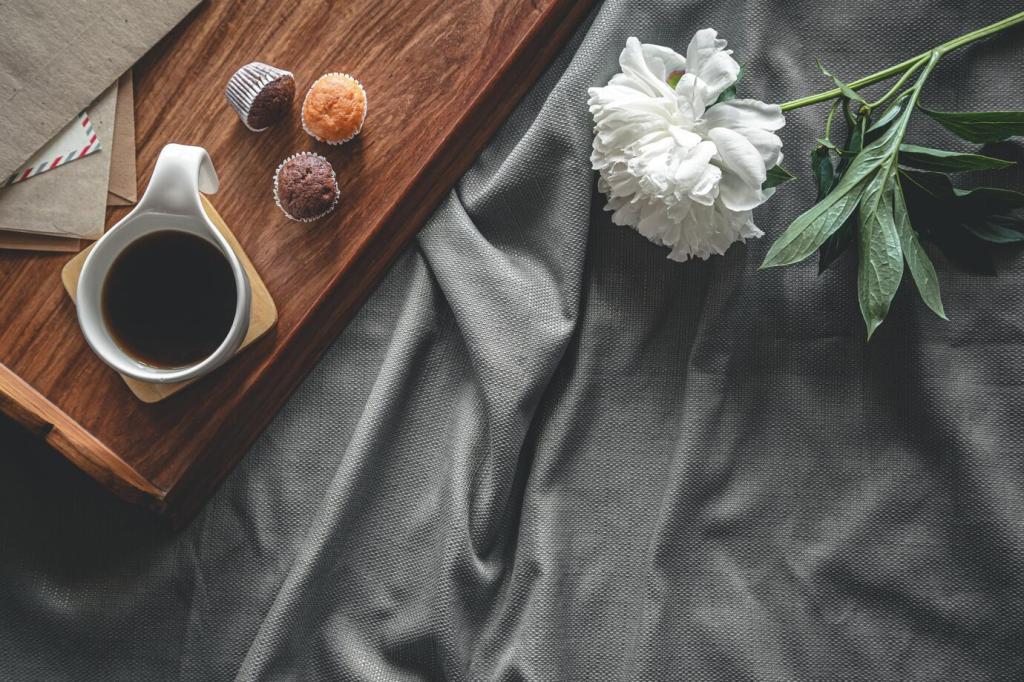
Oak and ash carry warm honey undertones; walnut reads deeper and chocolatey; bleached woods cool a palette without turning icy. Treat wood tones like colors: mix thoughtfully and repeat them deliberately. If you already own a wooden piece, let its temperature guide your palette rather than fighting it.

Matte vs. Sheen

Matte paint softens light and hides minor imperfections, ideal for a tranquil bedroom. Eggshell adds a gentle bounce, while satin can feel slightly energetic. Gloss belongs on small accents only. The same color in matte versus satin will feel different. Sample finishes on poster board and watch them throughout the day.

Metallic Whispers

Muted metals act like subtle color. Brushed nickel cools; aged brass warms; blackened steel grounds. Don’t mix too many finishes—one dominant, one supporting at most. Echo your metal in small details—lamp bases, drawer pulls, frames—for unity. Comment which metal you own already, and we’ll advise complementary tones.

A Real-Life Mini Makeover

Maya had three clashing whites—blue-tinted walls, creamy trim, bright bedding—plus bright pillows competing for attention. Morning sun made the walls chilly; evening bulbs turned trim yellow. She felt restless and kept rearranging. Her goal: a minimalist palette that felt warm, modern, and easy to maintain without repainting every season.

A Real-Life Mini Makeover

We sampled two warm off-whites, one soft greige, and a dusty olive accent. The winner: a calm warm off-white for walls, greige for trim, olive for a linen throw and a single framed print. A charcoal bed frame grounded everything. Three colors, repeated with intention, created cozy clarity instantly.

Testing Your Palette the Smart Way

Big, Moveable Swatches

Paint letter-size or larger samples on poster board, not directly on walls. Move them behind your headboard, beside curtains, and near outlets. View them vertically and horizontally. This reveals undertones faster than guessing. Label each sample clearly and narrow to two finalists before considering any accent color.

Track Light Through the Day

Evaluate colors at dawn, midday, dusk, and under your exact bulbs. Warm LEDs flatter warm whites; cool bulbs can turn them peachy. Keep a quick log of impressions. If a color disappoints at night, it won’t magically improve. Share your light conditions, and we’ll suggest bulb temperatures to match.

Keep It Beautiful Over Time

Choosing Cleanable Finishes

For walls, consider high-quality matte or washable matte for softness that cleans easily. For trim, durable satin withstands scuffs. Pre-prime for truer color. Keep a labeled touch-up jar for quick fixes. Minimalist spaces reveal small marks, so maintenance-ready finishes protect your calm palette without constant repainting.

Preventing White Fatigue

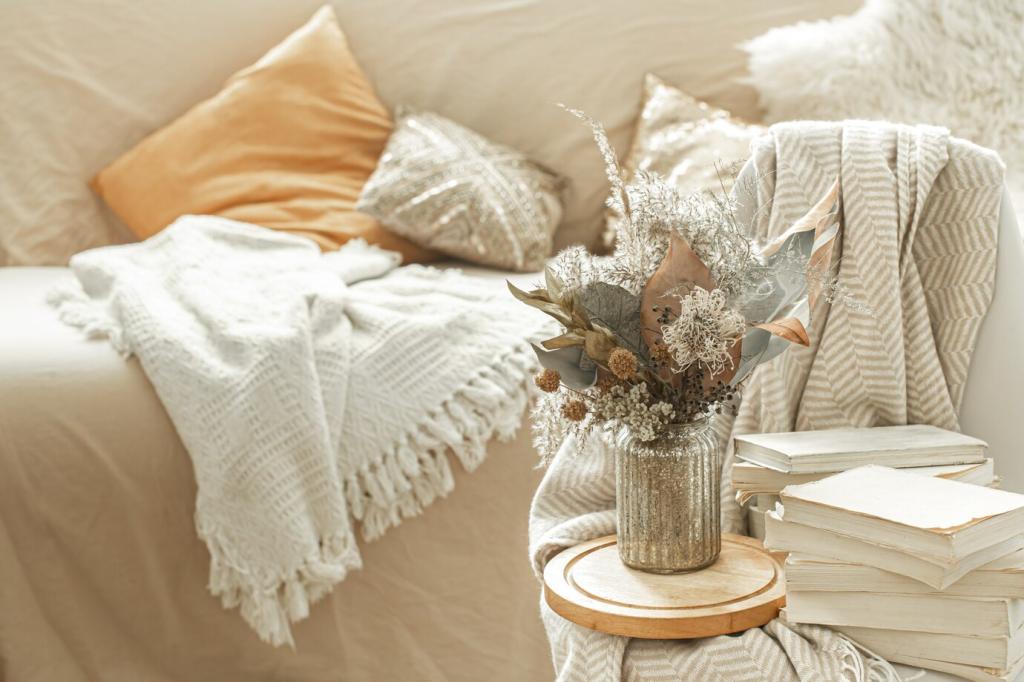
Even beautiful off-whites can feel flat if everything shares the same value. Preserve interest by varying texture—nubby linen, brushed wool, woven cotton—or by adding a single organic element like a branch or clay vessel. If your room feels too quiet, introduce one tactile piece rather than another color.

Seasonal Tweaks Without Clutter

Rotate accents, not the whole palette: olive to clay in autumn, misty blue to mushroom in spring. Keep a small bin of linens and pillowcases within your color family. This keeps the room fresh while honoring restraint. Share your seasonal swap ideas, and we’ll help tune undertones so everything harmonizes.
Eccapps
Privacy Overview

This website uses cookies so that we can provide you with the best user experience possible. Cookie information is stored in your browser and performs functions such as recognising you when you return to our website and helping our team to understand which sections of the website you find most interesting and useful.